

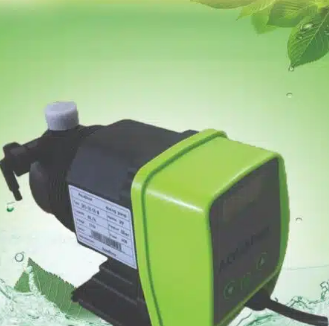
A dosing pump is a specialized device designed to deliver an exact and controlled volume of liquid. It is commonly utilized in sectors like water treatment, chemical industries, and pharmaceuticals to ensure precise fluid delivery and regulation. These pumps may be operated manually or automatically and come in a variety of sizes and designs tailored to suit different fluid types and applications.

Components of a Chemical Dosing System
A typical chemical dosing setup usually includes the following components:
-
Dosing Pump: Responsible for injecting a measured quantity of chemical into the fluid stream.
-
Control Panel: Used to regulate the dosing rate and adjust operational parameters.
-
Injection Point: The spot where the chemical is introduced into the main fluid flow.
-
Suction and Discharge Lines: Tubes or pipes that connect the dosing pump to the chemical source and injection location.
-
Chemical Storage Tank: Stores the chemical solution to be dosed.
-
Flow Meter: Measures the volume or rate of fluid passing through the system.
-
Pressure Gauge: Monitors pressure in the suction and discharge lines.
-
Safety Relief Valve: Protects the system by releasing excess pressure.
-
Check Valve: Prevents backflow of fluid within the system.
-
Solenoid Valve: Controls the chemical flow entering the dosing pump electronically.
Types of Dosing Pumps
There are various types of dosing pumps available, including:
-
Diaphragm Pumps: Utilize a flexible diaphragm to push the fluid through the pump.
-
Peristaltic Pumps: Employ rotating rollers that compress flexible tubing to move fluid.
-
Piston Pumps: Use a piston mechanism to move the liquid.
-
Plunger Pumps: Similar to piston pumps, they use a plunger to drive the fluid.
-
Screw Pumps: Move fluids using a rotating screw mechanism.
-
Electromagnetic Pumps: Rely on electromagnetic forces to operate a piston or diaphragm.
-
Hybrid Pumps: Combine features from different pump types to optimize performance.
The choice of pump depends largely on the characteristics of the fluid, the required flow rate, and the system’s operating conditions.
How to Calculate Pump Size
Sizing a pump involves understanding the flow and pressure needs of the system. The general procedure includes:
-
Calculate Flow Rate: Determine the volume of fluid that needs to be transferred per unit time (commonly in liters per minute or gallons per minute).
-
Determine Pressure Requirements: Assess the pressure necessary to move the fluid from its source to the desired destination, expressed in units like psi or bar.
-
Account for Head Loss: Consider pressure losses caused by friction and turbulence in pipes, fittings, and other components.
-
Select Appropriate Pump: Choose a pump capable of delivering the needed flow rate at the required pressure, with additional margin for safety and efficiency.
For best results, it’s advisable to seek guidance from an engineer or pump expert to ensure correct sizing and optimal operation.
Summary
Dosing pumps are essential tools for delivering precise amounts of liquid in many industrial processes. Various designs exist to cater to different fluids and operating conditions. Proper pump selection involves calculating flow and pressure demands and considering system losses, ensuring reliable and efficient performance. Pricing for dosing pumps varies depending on capacity, technology, and manufacturer.