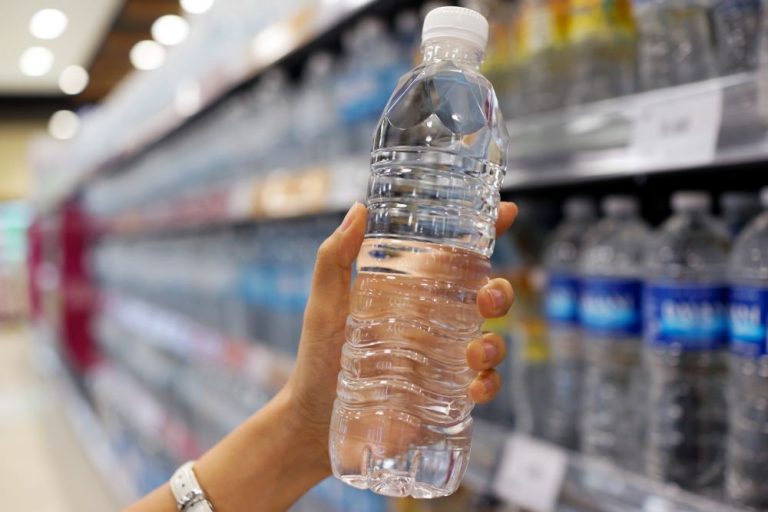
In a country like Bangladesh where safe drinking water isn’t always readily available, small bottled water plants have emerged as both a necessity and a profitable business opportunity. As the demand for clean, portable drinking water continues to rise, bottled water is rapidly becoming one of the most consumed beverages—surpassing traditional favorites like milk and coffee.
With urbanization, health awareness, and a growing middle class driving consumption, bottled water is now the fastest-growing segment in the beverage industry. This trend opens exciting new avenues for entrepreneurs and water treatment professionals to tap into a high-demand market.
Why the Bottled Water Industry is Booming
A few decades ago, large bottled water containers for offices and households dominated the market. Today, single-serve bottled water is the new favorite, accounting for a significant share of the market due to its convenience and portability. Whether you’re commuting, traveling, or simply on the move—bottled water has become a modern essential, just like a mobile phone.
Though it is a nationwide industry, there are growing opportunities for local and regional ventures. This makes small bottled water plants especially appealing for entrepreneurs looking for scalable business models.
Starting a Small Bottled Water Plant: Key Considerations
Before setting up a small bottling plant, it’s vital to understand your target market. Identifying geographic boundaries, local water demand, competitor presence, and consumer demographics will help you make data-driven decisions and position your plant for success.
Typical Setup for a Small Bottled Water Plant
A standard small bottled water plant setup includes the following major components and systems:
-
Water Source (e.g., Deep Tube Well or other raw water supply)
-
Raw Water Storage Tank
-
Feed Pump
-
Multi-Grade Filter
-
Pressure Sand Filter
-
Activated Carbon Filter
-
Antiscalant Dosing System
-
Micron Filter
-
Multistage High-Pressure Pump
-
RO Membrane Unit (Reverse Osmosis)
-
Ozone Generator
-
Pure Water Tank
-
Inline Pump & UV Sterilizer
-
Absolute Filter
-
Automatic 3-in-1 Bottle Filling Machine
-
Air Conveyor, Label Table & Shrink Tunnel
-
Date Coding & Labeling Machine
-
Final Packaging System
Water Purification Steps in Bottled Water Plants
Here’s how water is treated before it reaches your bottle:
-
Raw Water Pre-Treatment
This includes sedimentation, screening, and filtration to remove large particles and impurities. -
Reverse Osmosis (RO) Treatment
Water passes through semi-permeable membranes to eliminate dissolved solids, heavy metals, and salts. -
UV Disinfection
Ultraviolet light neutralizes harmful microorganisms like bacteria and viruses. -
Ozonation
An ozone generator is used for further disinfection, ensuring longer shelf life and purity. -
Carbon Filtration (Final Touch)
Removes any residual taste, odor, or chemical remnants to enhance water quality. -
Bottling & Packaging
The final purified water is automatically filled into bottles, labeled, shrink-wrapped, and prepared for distribution.
Cost and Investment Factors
The investment required for a small bottled water plant in Bangladesh varies depending on:
-
Plant size and production capacity
-
Source of raw water
-
Whether you produce your own bottles or buy pre-made ones
-
Equipment origin (local or imported)
-
Laboratory, treatment, and testing tools
-
Licensing and regulatory approvals (e.g., BSTI)
-
Utilities such as water, electricity, and compressed air
Producing your own bottles can reduce per-bottle costs in the long run, though it requires higher initial investment. Buying pre-formed bottles lowers setup cost but increases ongoing expenses and reduces profit margins.
Regardless of the route you choose, one of the most critical factors for long-term success is a well-established marketing and distribution channel.
Why Bottled Water Is So Important in Bangladesh
✅ Safety & Hygiene
Bottled water is filtered, purified, and sealed to meet safety standards—making it ideal when clean tap water isn’t guaranteed, especially while traveling.
✅ Convenience
It’s lightweight, easy to carry, and available almost anywhere—perfect for work, travel, events, and emergencies.
✅ Better Taste
Unlike tap water, which can have metallic or chemical flavors, bottled water is usually odorless and tastes clean.
✅ Hydration on the Go
A drop in hydration can reduce your cognitive and physical performance by up to 30%. Bottled water helps you stay alert and energized, wherever you are.
✅ Emergency Preparedness
In times of water supply disruptions or natural disasters, bottled water is an essential backup for drinking and hygiene needs.
Final Thoughts
In a country where access to clean and safe water is still a challenge in many areas, small bottled water plants offer a much-needed solution—both as a public health resource and a profitable business opportunity.
From ensuring quality drinking water to creating local employment and entrepreneurship opportunities, bottled water plants can make a significant difference in both rural and urban Bangladesh.
Whether you’re an investor, entrepreneur, or community leader, exploring the bottled water business could be your next step toward sustainability and success.